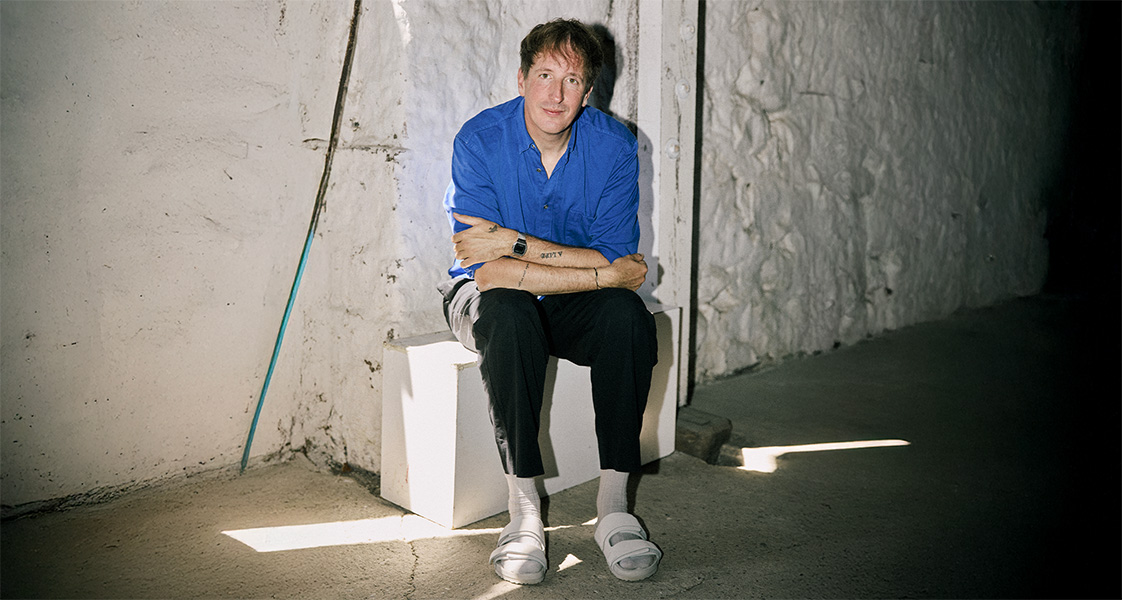
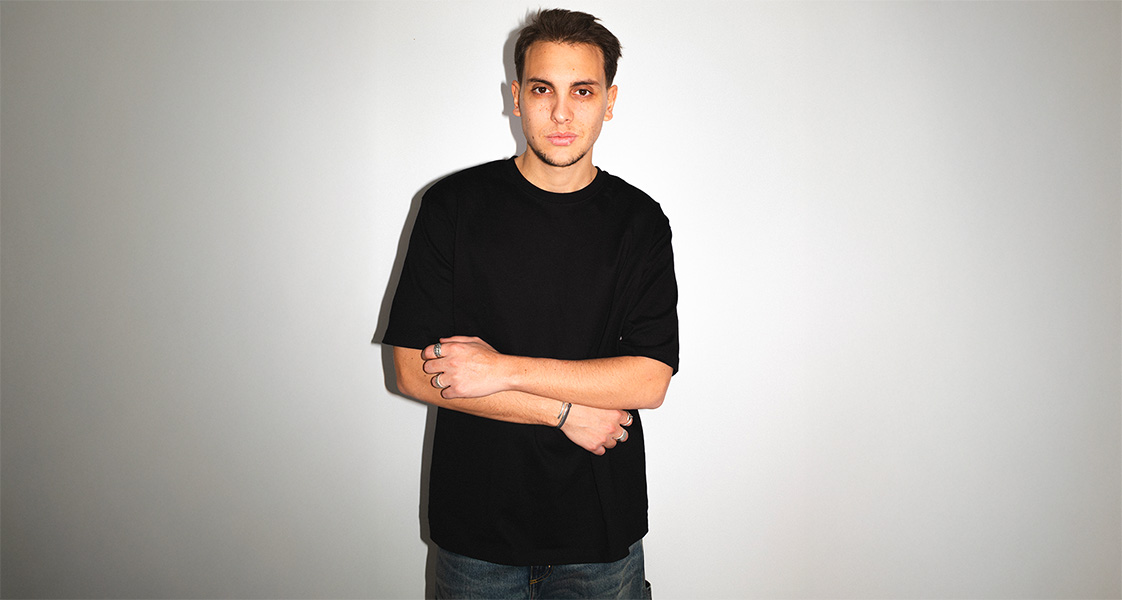
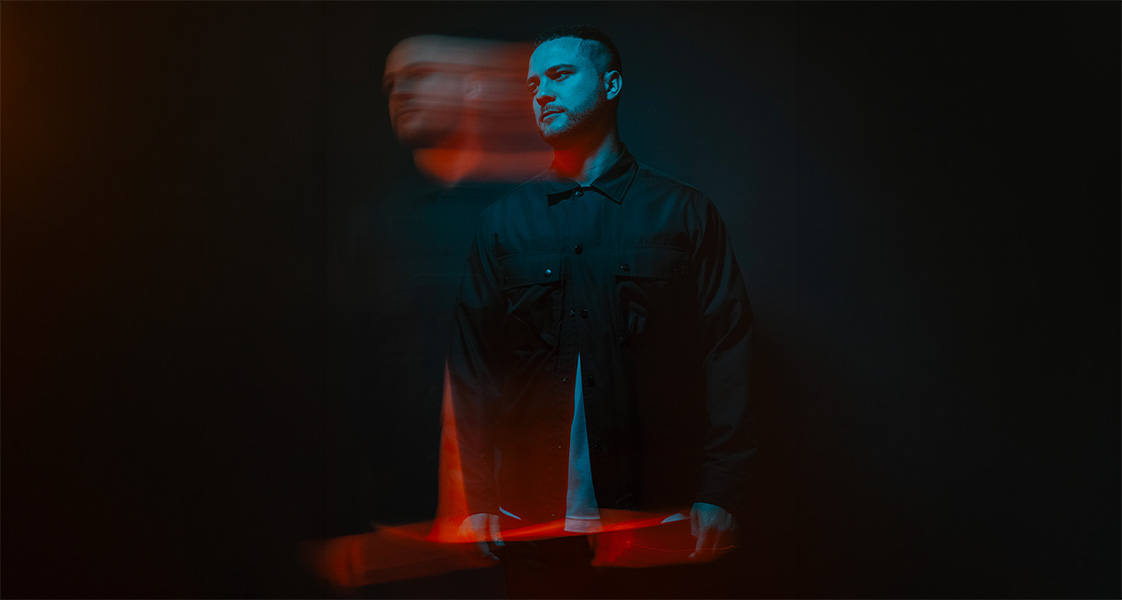
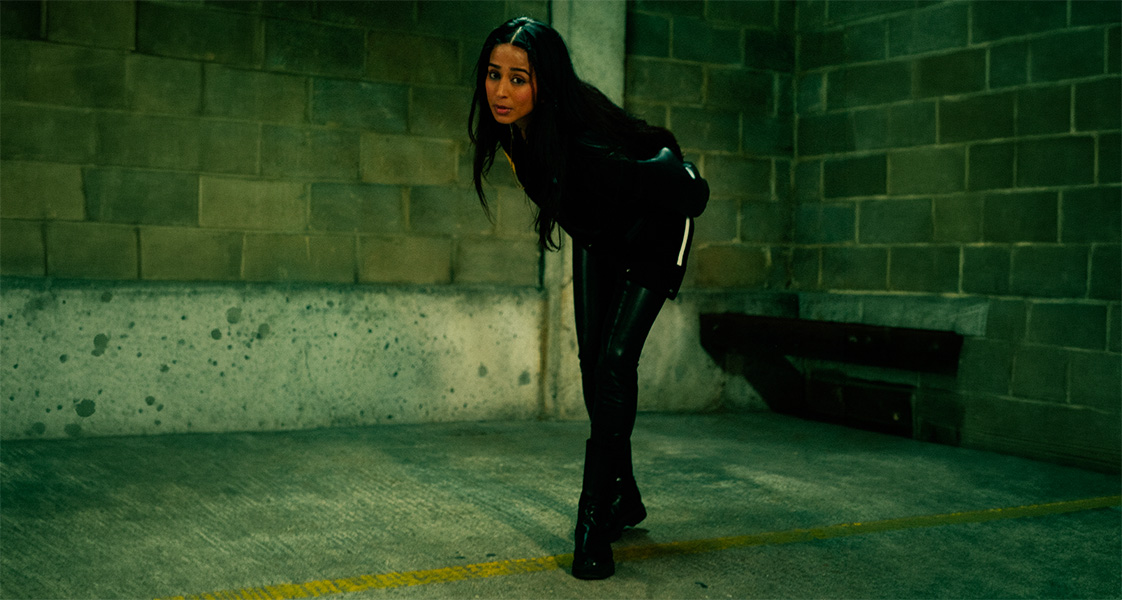
With his new album ‘Until We Meet Again’ out today via Ki Records, German electronic producer and artist Christian Löffler returns with a deeply cinematic and introspective body of work – an exploration of fleeting encounters, lingering emotions, and the invisible threads that bind us to one another. Recorded largely while on tour, the album carries the pulse of the road, shaped by spontaneity and lived experience, as Löffler began each track at the piano before layering in minimal yet richly textured sounds from vintage Japanese synthesisers. Anchored by a standout collaboration with Swedish vocalist Adna, ‘Until We Meet Again’ unfolds like two parallel storylines – intense, transformative moments running quietly alongside everyday life – leaving traces that shape who we are long after they pass.
To celebrate this milestone, we welcome Christian to WWD with a stunning new mix and a deeper look into the album’s creation, from its on-the-road recording process to the intimate production choices that shape its cinematic sound.
WWD: You mentioned the album was mainly recorded on tour – what did your mobile setup look like? Which pieces of gear or software were essential for composing and arranging on the road?
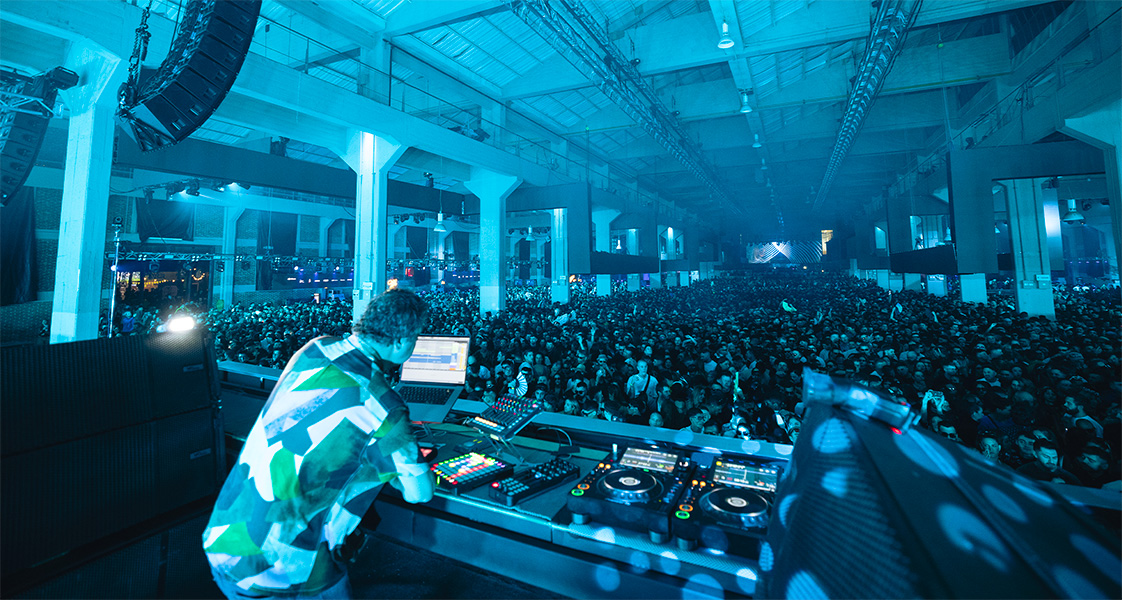
My live setup consists of a laptop, Elektron Rytm, controllers, and sometimes a Nord Lead. So I was mostly working on my computer. But a big help was the collection of piano sketches I recorded at home, which I also expanded over the months. I usually started with one of these loops. Taking them as a base, adding layers, resampling them, and pitching, adding effects, etc. I also used recordings I made over the years with my gear in the studio—mostly Juno, Prophet, and mini Moog. For software, I relied on the usual things like Serum and Diva. But also classics like Absynth or Fm8 were used. Apart from that, I used plugins from Felt, Slate + Ash in almost every track.
Also, using the Ableton Note app on my phone was very helpful for doing music when taking the laptop out of my bag would have been too much.
WWD: You said you started each track at the piano and let melodies unfold organically. How do you translate those piano sketches into full electronic arrangements? Do you keep the piano as the emotional anchor, or rebuild it entirely?
In this case, I almost kept the original piano recording in each track. There are others where it might be transposed and heavily affected, but in general, the piano takes a leading role. It helps to add some fast melodies that float lightly over the chords to add tension and energy.
WWD: The record blends minimal foundations with rich textures. When you’re producing, how do you decide what to leave out, and how do you prevent the atmosphere from becoming overcrowded?
I tend to stop working on tracks too early. Many times, I think they could even do better by giving a bit more attention to detail. But I get bored fast, and this album was about catching the vibe as quickly as possible. I don’t wanna lose the initial spirit, so I usually go with less. That helps with not overproducing. But sometimes I realize it could have been even better, adding a little here and there.
Also, I try to use only sounds, ideas, or melodies that I feel fully satisfied with, to prevent trying to make them better by adding more. I would rather take one sound that fits 95% perfect than 5 sounds that are 100%.
WWD: You layered the tracks with vintage Japanese synthesizers. Which synths made it onto the record, and what role did they play: pads, leads, noise layers, or more experimental sound design?
It’s mostly the Juno and Polysix I got while I was in Japan a few years ago. I used them on almost every track for noisy pads and little arpeggiated things. Nothing super exciting when you would do them solo, but necessary in the full mix.
WWD: What’s your approach to sound palette consistency across an album like this? Did you build a defined set of instruments and patches early on, or did each track develop its own sonic ecosystem?
For software, I usually start with presets that are close to the sound I want to have and tweak them from there. But on hardware, I typically use my patches, which blend well with my music. I started each song from scratch, having the piano first. I usually sent Adna a simple loop with a basic beat, a few layers of atmospheric sounds, and the piano, and she came back to me with the first vocal ideas and guitar loops. So we were usually building from there. Also, do leave Adna enough space to add whatever she was feeling.
WWD: The album feels cinematic and emotionally spacious. From a production perspective, how much of that comes from arrangement vs. mix decisions, particularly reverb, delay, and spatial effects?
I think it’s both. A lot comes from the piano itself, the atmospheric guitar loops, and the effects. I’ve been using plate reverbs on almost every sound to get that very toned-back vibe. There’s rarely any sound that really works as a lead. It’s all very damped and glued together.
WWD: With Adna, you described an immediate connection. How did you record and process her vocals – were you aiming for intimacy and closeness, or an ethereal floating presence?
She was processing the vocals herself. I knew her music as a solo artist and loved the way it sounded. It totally aligned with my approach on how this album should sound. I remember when we started working, she sent me dry vocals as well, but it wasn’t necessary for me to have them, as they sounded perfect already as she treated them. I wanted to have a close, chamber-like feeling with all the elements, nothing too significant. That’s why I also kept reverbs and filter automations relatively small.
WWD: The tracks carry “the pulse of the road” and spontaneity. Did you leave in imperfections or live moments deliberately? Are there parts where you intentionally avoided over-editing or quantizing?
Yes, almost in every track. I think Adnas’ parts are the ones that come closest to perfection, but mine are as spontaneous as possible. But hers were also usually the first to take, I assume, as she responded super fast and came back to me with first ideas very quickly. We rarely re-recorded specific ideas.
Also, I think the fact that this record was mostly made with in-ear headphones and laptop speakers in hotel rooms makes it sound very imperfect, which is the general vibe I was aiming for.
WWD: How did you approach the mixing and mastering to preserve both minimalism and richness? Were there specific techniques you relied on for glue and warmth without sacrificing clarity?
It’s a lot of a balancing act, with specific frequencies reserved for one central element. I tried avoiding overusing areas in the mix. Also, I worked closely with David Maria Trapp, who mixed my Ableton projects exactly as intended. He understands perfectly how this album should sound and made the songs sound so much better, gaining a lot of energy and clarity while still keeping the laidback vibe.
WWD: Since the live show includes acoustic instruments (violin, cello, piano) integrated with live electronics, did that influence the studio production? Did you produce with the live arrangements in mind?
Yes, many times when I added a pad or a floating sound, I was thinking about how we could translate the same idea live using cello and violin, for example. The piano mostly gets played like it’s been recorded. And then, Adna’s electric guitar also plays a leading role in the live show. That’s another case where it was helpful to leave the arrangement relatively airy and straightforward. It gives the musicians space to play and improvise. We are playing mostly without notes to provide the concert with a spontaneous feel.
WWD: Sounds amazing! Thanks for the chat 🙂
Thanks!
Christian Löffler: Instagram / SoundCloud
Tracklist:
- Hosini, Jones Meadow – 8 Hours, Still No Rain (Original Mix)
- Fhin – around.away (Original Mix)
- DJ Tennis – I Can Tell (Original Mix)
- glittr – thought i knew you better (Original Mix)
- Klur, Ole-Bjørn Talstad – After The Rain (Original Mix)
- Orbit – You (Original Mix)
- Andhim – German Winter (Original Mix)
- Catching Flies – Care 4 U (Extended)
- TWO LANES – Signs Of Change (Extended Version)
- Beacon, Helsloot – I Was There (Original Mix)
- Henry Green – Outside (Parra for Cuva Remix)
- Saive – Home (Original Mix)
- Christian Löffler – Closer (feat. Shallou)
- pølaroit – Tal (Original Mix)
- HNNY – Tantrums (Original Mix)