
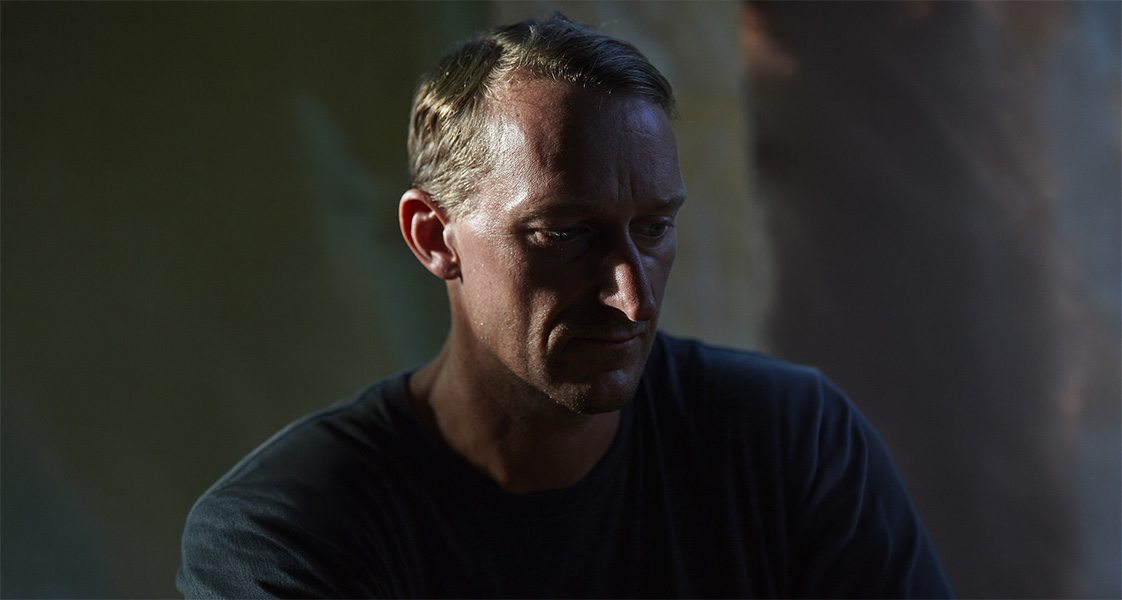
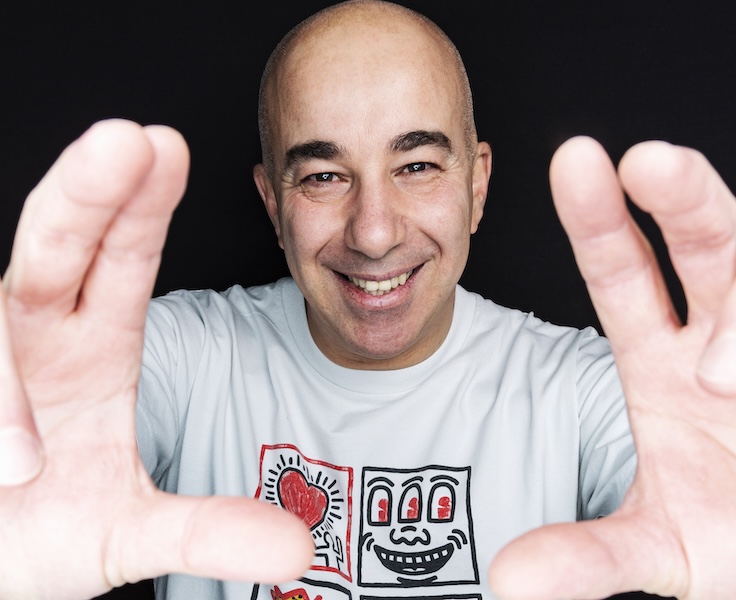
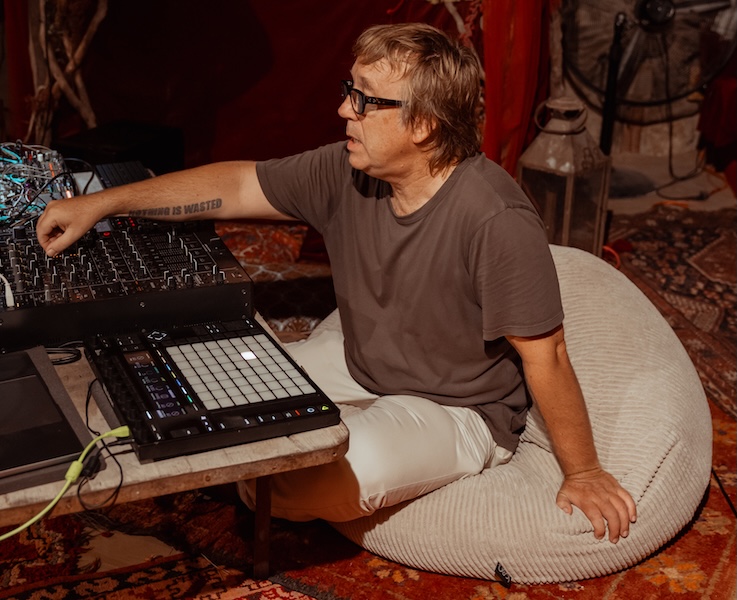
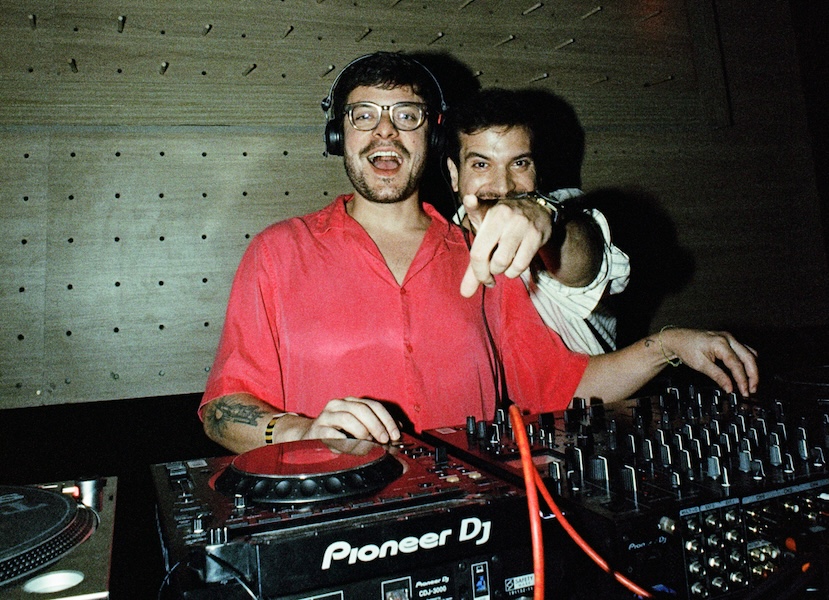
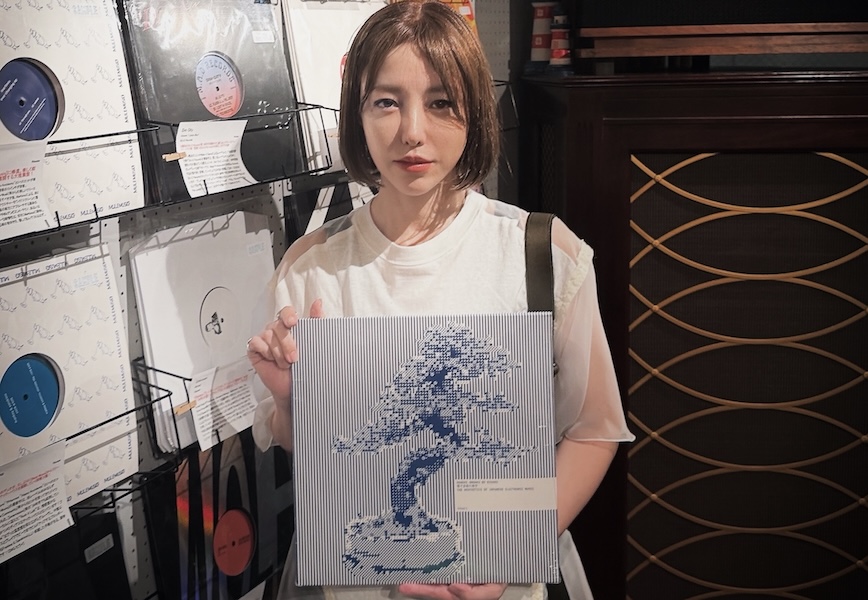
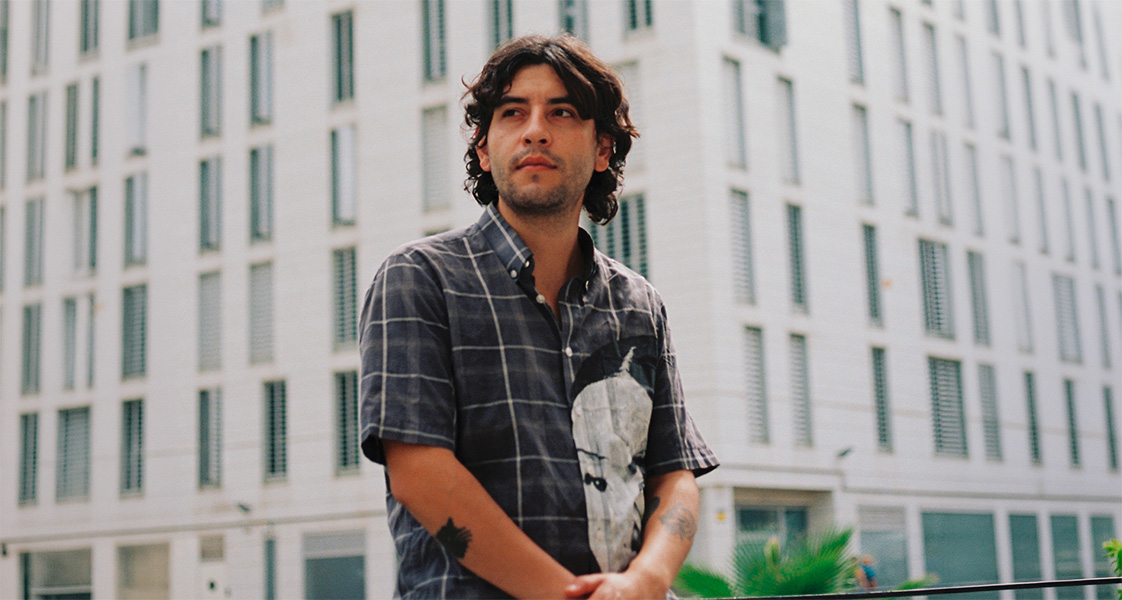
Pete Herbert has spent more than two decades travelling, DJing and collecting musical impressions from across the world. His new album Far Flung distills those journeys into a vivid atmospheric travelogue shaped by coastlines, festivals, field recordings, and the people and places that left their mark. In this interview, he reflects on the stories behind the tracks, the influence of Indonesia and Ibiza, and how travel continues to define his musical identity.
WWD: Pete Herbert your new album Far Flung is described as a musical travelogue. What made you want to turn two decades of travel into a cohesive long player?
Travel has been such a big part of my life throughout my musical career and has influenced my productions and DJing so much that it made sense to incorporate it when putting the album together.
WWD: Which places or moments from your travels had the strongest influence on the mood of the record?
There are so many but some definite moods and moments would be from living and spending time in Indonesia travelling around the Med and spending a lot of time in nature in Norway.
WWD: Did you approach the album as a story with a beginning, middle, and end or as nine standalone vignettes?
The tracks were all written with a specific place in mind but not in any album order at that stage. As they developed and became complete the final running order came together like piecing a radio show or DJ set so it flowed and became a journey in itself.
WWD: ‘Legzira Sunrise’ feels expansive and cinematic. What is the story behind Legzira and why did it become such a defining opener?
Legzira in Southern Morocco is a dramatic wild coastal stretch famous for its towering rust red sandstone cliffs and colossal natural stone arch carved by the Atlantic Ocean. Spending time there and feeling the sheer scale of it especially on an early morning trip with my family set the scene.
WWD: What mood or memory were you trying to capture with the South Seas?
After a decade or so of travelling around Indonesia I discovered the Ring of Fire documentaries that the anthropologist Lawrence Blair created with his brother in the 70s, a wild window into remote and untold stories of people and places in Indonesia. I later met and worked with him at Potato Head in Bali and this track became my own soundtrack to journeys exploring islands like Flores almost in his footsteps.
WWD: The dubbed Mediterranean feel of Dear Hector is very distinctive. Who is Hector and what is the connection?
I always loved watching Keith Floyd’s cooking and travel programmes for as long as I can remember and I revisited many of them during Covid no doubt wishing I was somewhere else. Hector was Keith’s imaginary friend who he wrote about his travels and tribulations. I’d just watched Keith in Ibiza having a drink or two at a chiringuito with locals and this became my tweaky cosmic soundtrack to it.
WWD: Where is Zuka and how did that place shape the atmosphere of ‘At Zuka?’
Zuka was a back street bar in Ibiza Old Town run by Mark which I frequented in the late 90s on trips with Phil Mison and friends. It was chilled, quirky and always full of interesting characters. Nancy Noise used to play there a lot and some nights we’d end up coming out at sunrise. Always unexpected events and good times any night of the week. Sometimes it was quiet all night and other times an impromptu party would kick off. This track could easily have been something played there.
WWD: ‘Back to Bahia’ has a real uplift. What does Bahia represent for you musically?
This track was an ode to Mareh Festival in Brazil which I played at a few times on this occasion with Dicky Trisco on the island of Boipeba. A stunning location and a festival with so much energy that I tried to reflect it. A nod also to Guga who runs and curates Mareh. He would transport everything needed to put on a festival to these remote locations which was no mean feat.
WWD: ‘Havana Landing’ nods to Don Carlos. How did that influence come through in the track?
‘Alone’ by Don Carlos is one of my favourite tracks so inspiration from it helped shape this track. The uplift and feeling it projects was exactly what I was aiming for.
WWD: You are known for a distinctive blend of disco Balearic and house. How did you evolve or stretch that palette for ‘Far Flung?’
‘Far Flung’ the title track started life as a remix demo that got turned down. I was shocked at first but then really glad as it encapsulated the Balearic house sound I was into at that moment. I was more than happy to develop it as my own. I think that track set the ball rolling for the album’s sound.
WWD: Were these tracks built on the road in hotel rooms or fully in the studio?
A mixture of all the above. Generally they started on the road or wherever I was visiting getting ideas down in the box inspired by the surroundings and atmosphere. Then they were usually finished at home or wherever I was staying for a longer stretch.
WWD: Did you incorporate any environmental or location based sounds from your travels?
Yes for sure. There are some lo fi field recordings throughout the album from Indonesia and Legzira taken in the moment and then built on musically. It’s something I’d like to explore more in future releases.
WWD: How does your early time at Atlas Records still influence the way you approach music today?
Atlas Records was a melting pot of all kinds of music, not just one or two genres which wasn’t so common back then. Always leaning toward the left field tip but with an eye on what worked on the dancefloor and that ethos hasn’t changed for me since.
WWD: You have held residencies in London Paris Madrid Bali and more. Which city’s energy is most present in ‘Far Flung?’
There are traces of everywhere I’ve spent time woven into these tracks but being based for long periods in both London and Indonesia has definitely shaped the album’s energy. The chaos of London and the constant need to escape it alongside the tropical serenity and sunsets of Bali have all left their mark. Equally the old school spirit of Ibiza and the buzzy all nighter culture of Madrid were big moments for me too.
WWD: How did curating music at Potato Head shape your sense of atmosphere and storytelling?
The incredible design aesthetic of PH coupled with dramatic weather sunsets and tropical heat created a unique atmosphere and the perfect backdrop for music. I had played there often before joining the team so I knew how important music already was. In such a setting making music a key ingredient elevates the whole experience. We worked around the clock tweaking sound programming DJs live events pop ups creating soundscapes and one off happenings all designed to coexist with every aspect of the space.
WWD: Music For Swimming Pools has become a signature aesthetic. How does ‘Far Flung’ sit within that universe?
I feel the album blends together all the ingredients that MFSP is about so it’s not just one type of sound or genre it’s really the blueprint.
WWD: How does your approach differ when curating the radio show versus producing for the label?
The radio shows are an extension of the label or perhaps the other way around so one feeds the other. Showcasing great music and artists is what it’s about for me going back to the record store days and the buzz of unearthing new music and turning people on to it. I guess that’s never gone away.
WWD: Where do you see Music For Swimming Pools heading next?
I’m enjoying the path it’s on with the compilation projects showcasing more new music and I’d like to work on those more alongside my own productions. Some MFSP events and takeovers are planned too plus the 10 year anniversary of the label is coming up.
WWD: After contributing to over four hundred releases, what keeps you creatively curious?
Digging and listening to so much good new music especially when showcasing it on the radio shows inspires me when I’m in studio mode. Would my music stand up next to this is the question that goes through my mind the most. And the buzz of seeing people react to a track on the dancefloor still does it for me after all these years.
WWD: How does travel continue to shape your musical identity?
Travel and music go hand in hand for me and exploring both is endless so I’m sure that will never leave me.
WWD: What would you tell younger producers about developing a sound that reflects who they are?
Take inspiration from everything around you: the places you’ve lived or travelled to, clubs and DJs you’ve heard, people you’ve met and all kinds of music you’ve picked up along the way. It all gets absorbed somewhere and eventually comes out in what you make.
WWD: Wise words! Thanks for the chat 🙂
Thanks a lot When We Dip!
The ‘Far Flung’ album is available here.