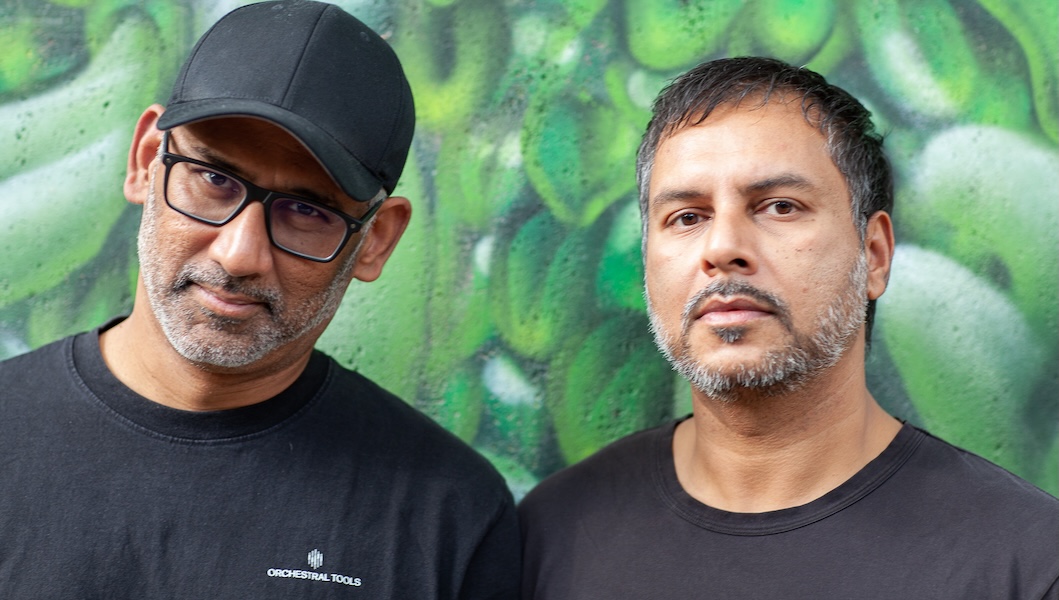

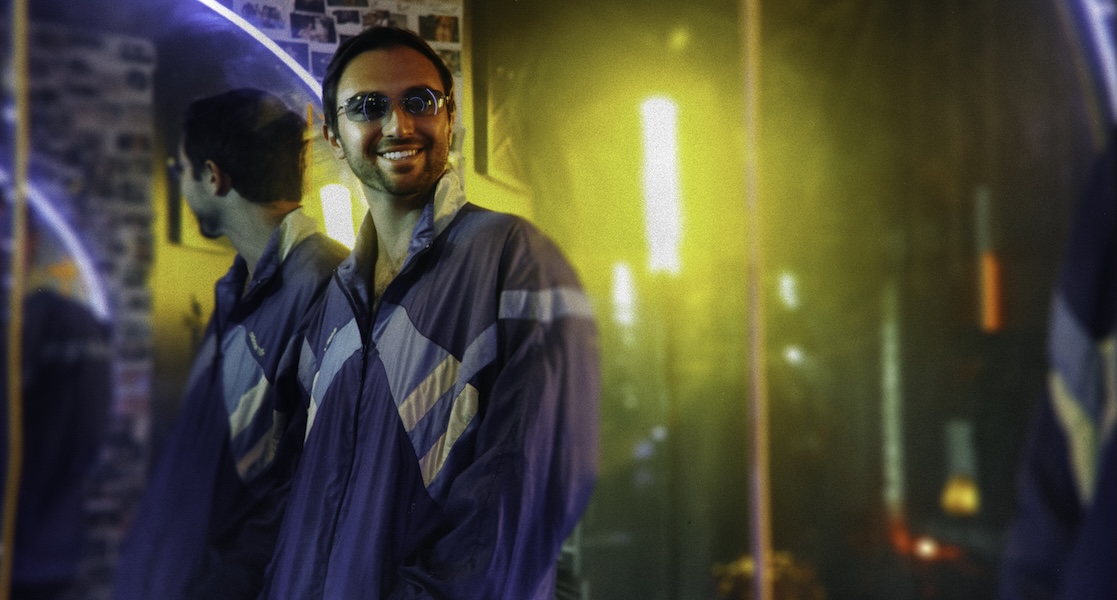
Low Volume is a project built on friendship, patience and a shared love of electronic music. The story began in Pune in the 1990s, during a time when India’s club scene was still finding its feet, before the pair eventually found themselves living in Germany and making music together in a small bedroom studio.
What started with late night sessions, low volumes and limited time has grown into a catalogue spanning more than two decades, from the ‘Afterhour’ and ‘Dhaba’ EPs through to their work on Sirion Records and now their new album, ‘Aftertime.’
Bringing together seven tracks shaped by years of jams, ideas, and unfinished experiments, ‘Aftertime’ feels like a snapshot of a friendship that has continued despite distance, careers, family and the passing of time.
Fresh off the album’s release on Low Volume Records, we caught up with the duo to talk about their roots in Pune, the evolution of their sound, the making of ‘Aftertime,’ and what comes next for Low Volume.
WWD: Low Volume began in Pune in the 1990s, before the project itself existed. What do you remember most vividly about discovering electronic music and that early club scene in Pune?
Pawas: Technically, we connected in the late ’90s and became friends, but back then we were both into different genres and styles of music. Ambrish was very hip-hop inclined, while I was getting more and more attracted to the 4/4 sounds. Goa trance was big in India back then, mainly in the outdoor rave scene, while progressive house and tribal house were slowly taking over the club scene. When I first heard “Around the World” by Daft Punk, it changed my perspective on how I listened to electronic music. A few years later came “Music Sounds Better with You” by Stardust, which took everything to the next level.
Ambrish: The club scene in the 90’s in Pune was new and just picking up and mainly focussed on pop, rock, charts and Bollywood. I got attracted to music which was unconventional at that time for India – hip hop, psy trance and house music. This was very difficult to get and could only get through people travelling from abroad or special connections. I still remember travelling all the way to Mumbai just to buy Prodigy CDs and going to second-hand book shops to dig through music magazines from the UK which is where I started getting to know about Ibiza, Ministry of Sound, Pacha, etc and DJs like Judge Jules, Pete Tong, Seb Fontaine, Carl Cox, none of which was shown on MTV at that time. With house music videos entering mainstream MTV opened doors for many to get to listen to this genre and as DJs we could finally experiment and play our favourite tracks on the floor.
WWD: You’ve described Low Volume as coming from making music late at night with the volume turned down almost to nothing. How much did that original limitation shape the sound and identity of the project?
Pawas: Oh, most of it. It also made us more aware and mindful that one doesn’t always need to produce music at a louder volume, and it helps with achieving a better mixdown.
Ambrish: We didn’t have a studio in the late 2000s and we only got time in the evenings to meet up and play around with production. We mainly met at my place in the evenings, and we did get in trouble with a neighbour quite a lot. We were forced to keep the volume low but that did not stop us from experimenting and learning. We were so thrilled when our demo was accepted for our first EP (Afterhour EP) and we had to come up with an artist name. It was spontaneous, we both agreed and that’s how the name came up. Even today when we meet up, we only get to jam in the evenings, and we cannot keep it loud.
WWD: Your musical tastes seem to have travelled through house, techno, ambient, D&B, trance, experimental electronics and dub. What is it that connects all those seemingly different sounds for you?
Pawas: The feeling that, no matter what genre of music you listen to, it moves you in the same way.
Ambrish: Music to me is emotional. The notes and patterns trigger different emotions and senses for different people. So, the genre doesn’t really matter. Yes, our releases are mainly focussed on dub house, deep house sounds, but we have plenty of sketches and jam sessions which may fall into other genres.
WWD: You’ve been making music together for more than 20 years, despite living in different places and having careers, families and life getting in the way. What has kept Low Volume alive?
Pawas: To be honest, we kept it all very sporadic. Whenever we would find the time or be in the same city, we would sit and listen to older sketches and other influences, get inspired and start making music. This would happen maybe 2–3 times in a good year, but whatever came out of those sessions was worth keeping (you can hear that in the album), as it was neither planned nor forced. We never felt that we “had” to sit and make music just to keep the project alive. When the moment came, it happened!
Ambrish: Friendship, with deep roots to our past, where we grew up, and of course common interests – music and music production. Our visits and meetings are mainly focussed on catching up, cooking sessions but somehow, they end up in jam sessions. No agenda, no plan, just spontaneous.
WWD: A lot of ‘Aftertime’ comes from jams, drafts and experiments stretching back as far as 15 years. How did you decide which pieces still deserved to be heard now?
Pawas: This was not easy, as it’s difficult to be unbiased about your own music. As we evolved and grew older, our knowledge and observation of sound and music production evolved with us. For this album, we decided to go back to the original “sound” of Low Volume, which consists of sketches from 2008, but still sounds fresh, if not better, compared to our newer tracks.
Ambrish: This time we made a conscious decision not to jam but rather listen and sort old sketches and experiments. We were honestly surprised by how complete many of those sketches already sounded and were ready for release. Instead of searching for labels and sending demos, we decided to curate a package, which tells a story and self-release this as an album. The aim was to get it out, let the tracks be heard and now we can think about new material for future releases. Well, we still have many more sketches which didn’t really fit in the “Aftertime” story – this could potentially be a future release – different sound, different genre.
WWD: The album feels less like a conventional comeback and more like a continuation of a conversation that was never really finished. Did it feel that way while you were making it?
Pawas: A very well thought-out question. Yes, indeed! Every session, whether making music or just going through old sketches, felt incomplete. After our last release on Sound of Berlin in 2023, we took a break and looked back at tracks we personally loved but never finished, some of which had been rejected by the record label. We decided to finish them for the album, which was very relieving.
Ambrish: Exactly! It was more of a retrospective of what we did in the last few years. We didn’t think about “is it going to work today?”, “will people like it?”. This is our sound, it’s timeless to us, let’s get them out for our family and friends, close this chapter and only then open a next one.
WWD: There’s a strong sense of space, atmosphere and dub throughout ‘Aftertime.’ Has your approach to sound and production changed significantly since the ‘Afterhour’ and ‘Dhaba’ EPs?
Pawas: Significantly! Ambrish’s modular journey during the pandemic added a lot of colour to our sound without changing our original approach. We also explored more variations of dub and deep house, finding a middle ground that naturally came together into something we love.
Ambrish: Yes, probably. In the early days we were probably too concerned with fitting a label’s expectations. Over time we became more comfortable trusting our own instincts and making music that felt authentic to us. To add to this, over the years one also matures in every aspect, and in our case – sound design and production. Experiments with modular, new VSTs and effects, endless new possibilities with Ableton workflows and tools, – all added to the newer sound compared to Afterhour EP and Dhaba EP.
WWD: You’ve said you rarely disagreed on what makes great music. After knowing each other and making music together for so long, what do you think you each bring to Low Volume that the other couldn’t?
Pawas: Making music has always been therapeutic and relaxing for us. It’s our comfort zone, a few hours where we can forget our worries. Ambrish has always been the more technical and experimental one, especially with his modular journey, constantly exploring new sounds and workflows. I tend to focus more on groove, arrangement and the emotional side of how a track feels. Individually, those things can work, but together they create the balance that defines Low Volume.
Ambrish: After knowing each other for almost 30 years, we know each other’s tastes (likes or dislikes), we know each other’s limits, the workflow, and expressions when something works for both. Pawas has an incredible instinct for knowing when a track is finished and when it says everything it needs to say. I tend to explore endlessly and keep experimenting. He brings focus and musical intuition, while I bring curiosity and technical experimentation. Low Volume exists somewhere in the middle.
WWD: The title ‘Aftertime’ seems to acknowledge both the years that have passed and the idea of finally moving forward. What does it mean to you personally?
Pawas: Ambrish took charge of this part, as I have full faith in him when it comes to such intricacies, including the banality of our previous track titles. When he suggested the title, it all made sense.
Ambrish: Here as well, we agreed on the album name and the artwork directly, without any discussion. It was a coincidence that I was at Adam Kroll’s place, and he showed me some pictures he took. The zebra crossing resonated immediately with me. I showed it to Pawas and exchanged my thoughts – The image immediately felt symbolic. After all these years, the album felt like crossing to the other side of the street. Finishing something we had been carrying with us for a long time and stepping into a new chapter. The name “Aftertime” also came spontaneously – what happens when you spend so much time – in this case all the jam sessions and sketches. Collect them, let them go, time to cross and start a new chapter.
WWD: If Low Volume’s first chapter was about two friends finding a way to make music despite life getting in the way, what do you hope this next chapter sounds and feels like?
Pawas: Oh the clairvoyant question – I personally would like to start making music on a slightly higher volume and maybe we might even go more dancefloor if the mood allows. In fact we do have a bunch of peak time tunes, which we might release under a different moniker.
Ambrish: Hopefully it sounds exactly like the reason we started in the first place: two friends getting together, sharing music and seeing where the session goes. There has never been a plan, strategy or expectation behind Low Volume, and I don’t see that changing. If the next chapter gives us a few more records we’re proud of and a few more evenings spent making music together, that’s already a success.
WWD: That it is! Thanks for the chat 🙂
The ‘Aftertime’ album is available here