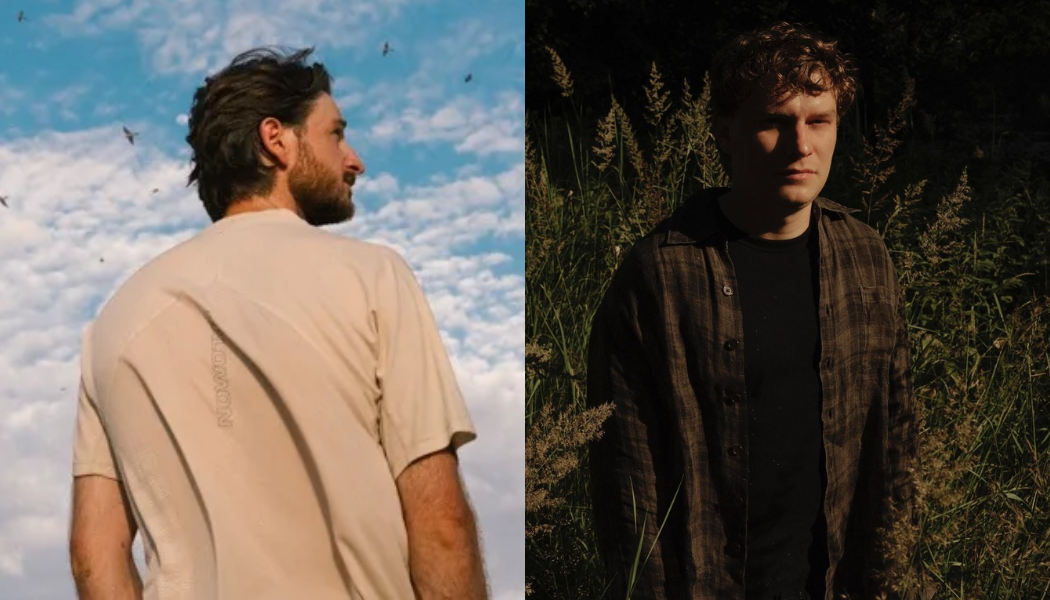
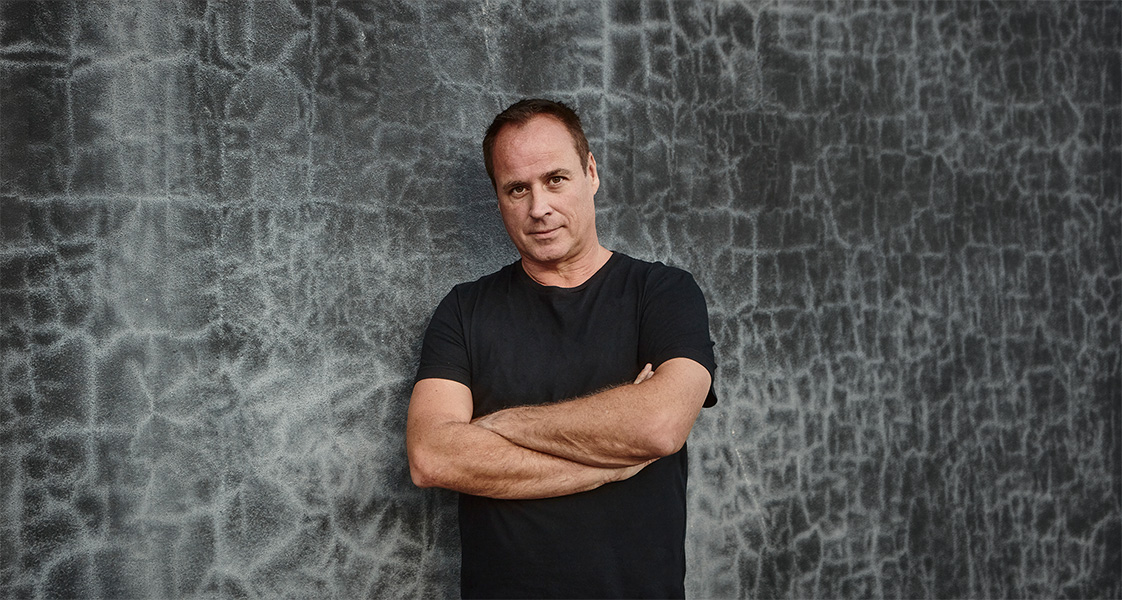

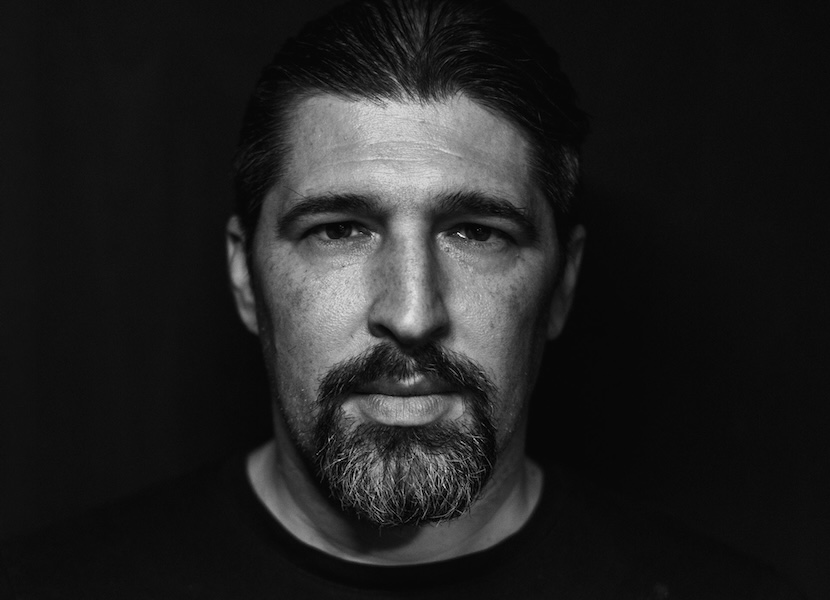


French electronic producer Thylacine has always approached music as a journey of discovery. From Argentina to the Faroe Islands and, most recently, Namibia, his acclaimed ROADS series has seen him transform the landscapes, cultures, and encounters of his travels into deeply personal electronic compositions. Created from his self-sufficient, solar-powered mobile studio, ‘ROADS Vol. 3’ captures the spirit of Namibia through a rich tapestry of field recordings, organic instrumentation, and evocative electronic textures.
Now, the project continues to evolve as German producer Nils Hoffmann delivers the second remix from the album, offering a captivating reinterpretation of ‘Nawa.’ Built around vocal recordings from Thylacine’s encounter with a Himba community in Namibia, the original carries a particularly intimate story. Hoffmann takes these distinctive elements into new territory, introducing a deeper, more progressive groove while preserving the track’s ethereal atmosphere and emotional warmth. The result is an immersive meeting of two musical worlds, where organic rhythms, airy melodies, and warm electronic textures find a delicate balance.
Speaking about the remix, Hoffmann explains: “I really loved working with ethereal recordings and making the vibe a bit more progressive. I wanted to keep the unique elements of the original and bring them into my style. I finished the remix while I was on tour in Nashville.”
With ‘ROADS Vol. 3’ set for a re-release featuring new remixes, When We Dip caught up with Thylacine to explore the experiences behind the album, the story of ‘Nawa’, and the creative freedom of allowing other artists to reinterpret his work. Nils Hoffmann joins the conversation to talk about his approach to the remix, the production process, and finding inspiration in the original recordings.
WWD: Your ‘ROADS’ series has taken you from Argentina to the Faroe Islands and, most recently, Namibia. What drew you to Namibia for ‘ROADS Vol. 3,’ and how did the experience differ from your previous journeys?
Thylacine: From the start of the project, I wanted to explore a different continent on each journey, with very different environments and cultures. I’m also always looking for places in the world that I haven’t had the chance to visit yet, so I can experience that feeling of everything being new and inspiring. Namibia was an obvious destination because, firstly, I could bring my studio there on a cargo ship; secondly, I had never been to southern Africa; and finally, because it’s a country with an incredibly rich cultural and natural heritage. It had always been a dream of mine to go there, so when I found a cargo ship heading that way, I jumped at the opportunity.
WWD: You created ‘ROADS Vol. 3’ while travelling through Namibia in your self-sufficient, solar-powered mobile studio. How did producing music on the road, surrounded by constantly changing landscapes, influence your creative process and the sounds you captured?
Thylacine: It’s hard for me to explain in just a few words how it works. There are a lot of factors involved, some more abstract and mysterious than others. And the whole point of this project is to discover how my music evolves when I use the same process and equipment in completely different locations, but I still haven’t figured out how everything works and that’s probably the beauty of it.
WWD: The original version of ‘Nawa’ features recordings of Ozohere’s Himba. Could you tell us the story behind this track? How did the encounter come about, and how did those recordings develop into the final composition?
Thylacine: We first met a Herero woman during a celebration. She was close to a small Himba village near her home. She invited us over and introduced us to the Himba community. We spent a week with her, getting to know the Himba people, until I explained that I was working on an album and asked if they wanted to record something together. They were excited about it, and we spent three hours making music together, dancing and challenging each other. It was an amazing moment. I was also able to play them a demo a few days later, pay everyone involved, and credit them just like I would with any other featured artist.
WWD: Your music often brings together field recordings, traditional instruments, and electronic production. When working with sounds and musicians you encounter during your travels, how do you approach transforming those experiences into electronic compositions while preserving their original character?
Thylacine: Every experience is different, but I try not to overthink things and just get lost in the music. Usually, I listen to a recording, something catches my attention, and I simply follow my intuition. Most of the time, that becomes the starting point of the track, but sometimes the track is almost finished, and I like to add sounds from the environment that surrounded me during the composition process.
WWD: ‘Nawa’ has now taken on a new life through Nils Hoffmann’s remix. What initially made you think Nils would be an interesting artist to reinterpret the track, and what was your first reaction when you heard his version?
Thylacine: I wanted to give the track a more electronic, clubby feel, but still keep its softness and emotion, and I felt like Nils would be the perfect person for that! My first reaction was actually to look for my original track in there, haha. But as the remix develops, more of it comes through, and the blend of both worlds works perfectly.
WWD: With ‘ROADS Vol. 3’ set for a re-release featuring new remixes, how do you feel about other producers reinterpreting music that is so closely connected to your personal experiences and travels? Can a remix reveal something about the original composition that you hadn’t noticed yourself?
Thylacine: It’s always interesting to see what catches another artist’s attention and how they interpret my work. I feel like a track’s life never really ends. I also remix my own music on stage and keep making changes to older tracks. A remix or a live performance can reveal possibilities you hadn’t considered when originally working on a track, and I love the idea that the music is never really fixed forever.
WWD:Welcome, Nils! What was your first impression when you heard Thylacine’s original ‘Nawa?’ Which elements immediately caught your attention, and what inspired the direction you wanted to take with the remix?
Nils Hoffmann: At my first listen I was impressed by the field recordings and wanted to have the sampled singing as one of the main elements of my remix. I was inspired by Hot Chip at that time and wanted to go in a more progressive but still leftfield direction.
WWD: The original track has a distinctive atmosphere, particularly through its vocal recordings and organic textures. How did you approach working with these elements? Were there specific sounds you wanted to preserve as the foundation of your remix?
Nils Hoffmann: I tried to cut the recording more into loops to get the more repetitive feeling to them. Beside the vocal recordings I also included some of the drum recordings.
WWD: Your version introduces a more progressive energy while retaining the ethereal quality of the original. Could you walk us through your production process? Where did you start, and how did you build the groove, melodic layers and overall arrangement?
Nils Hoffmann: At the beginning I try to find one main element that can carry the song. In this case it was the vocal. From then on I write a baseline and stack the chords on top of it. Once the drum groove is at place I start to work on the arrangement.
WWD: You mentioned finishing the remix while touring in Nashville. How does producing music on the road compare with working in your studio? Did your surroundings or the experience of touring influence the final sound of ‘Nawa?’
Nils Hoffmann: I’m getting used to producing on the road and try to see the circumstances as normal for a touring artist. I’m not really influenced too much by my surroundings. I try to always be intentional with my productions.
WWD: Wise words! Thanks for the chat 🙂
Nils Hoffmann’s ‘Nawa’ Remix is available here