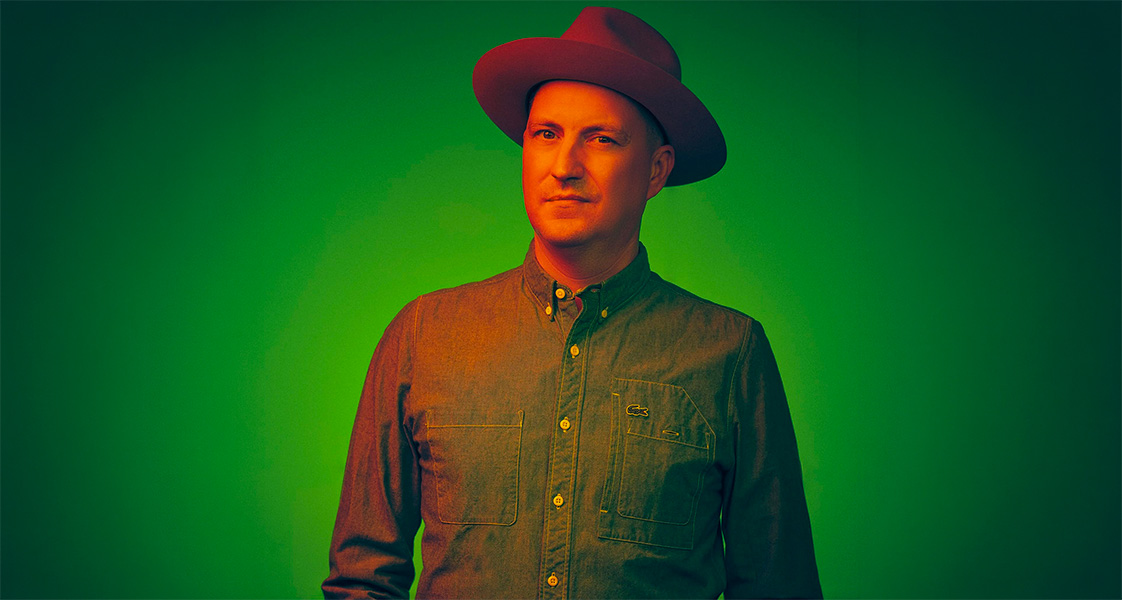

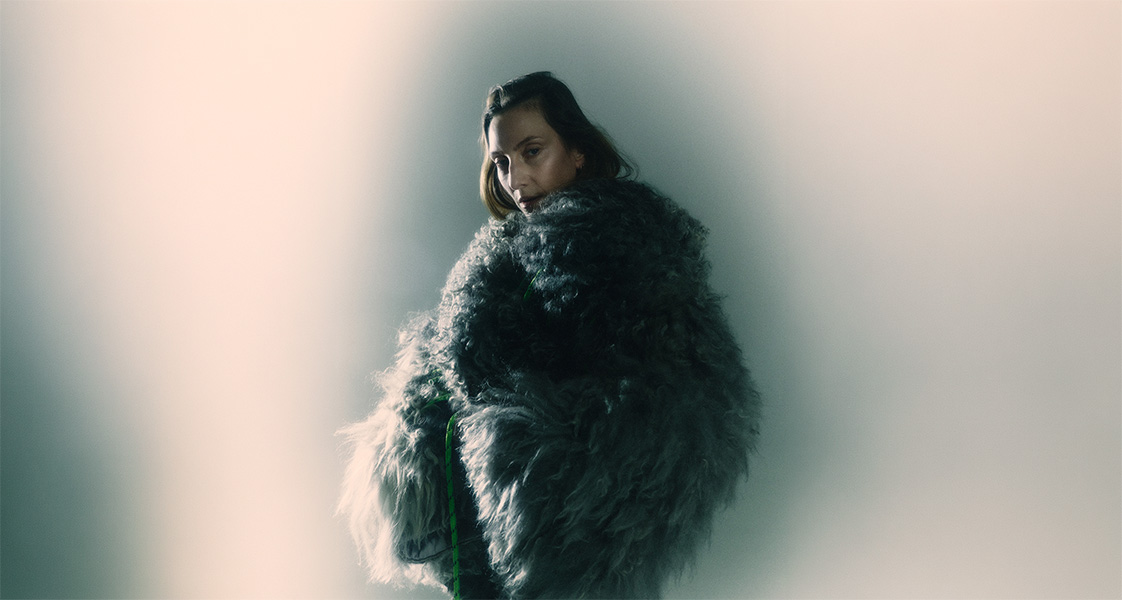
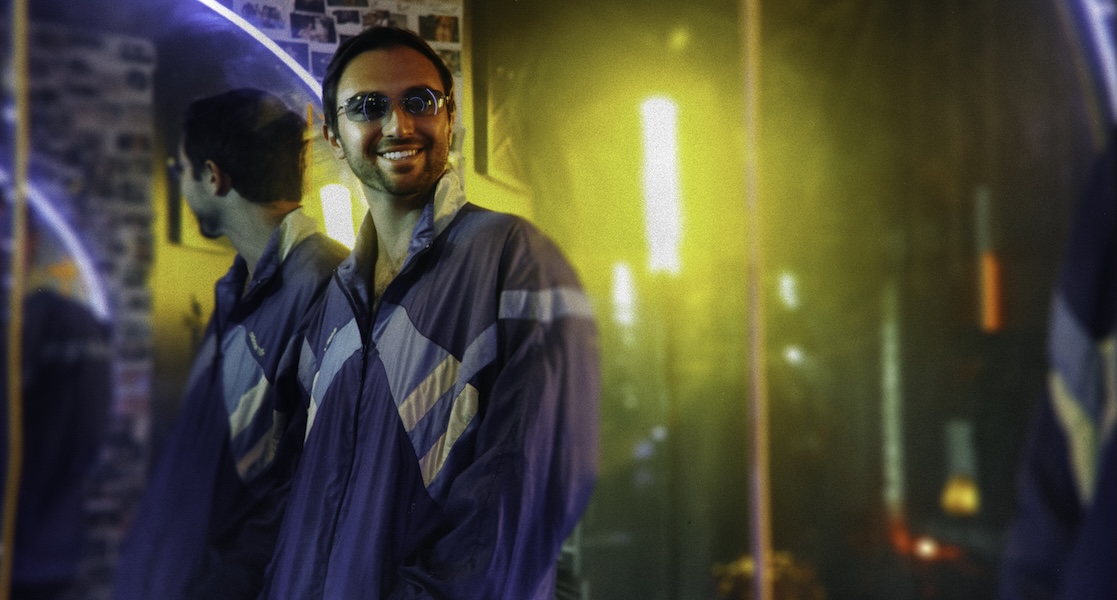
Fred Everything has spent decades refining a sound that feels both timeless and quietly revolutionary – deep, musical, and guided by an unshakeable sense of honesty. With ‘Elysium,’ he leans even further into that space, letting intuition lead and trusting the emotional pull of his instruments. What emerges is a track that feels like a breath of light: warm chords, rolling bass, and a sense of uplift that mirrors where he is creatively today – freer, more grounded, and more connected to the joy of making music than ever.
As a long time member of the Freerange Records family, Fred Everything opens up about his relationship with the label, contributing to their 30th anniversary VA, and more!
WWD: ‘Elysium’ feels warm, uplifting, and deeply musical. What was the emotional or conceptual spark behind the track?
Thanks! I never have a precise idea of what I’m about to do. It usually starts with playing on my synths. This one came from a chord progression that I felt had enough tension to build on. I then built the bassline and rhythm around it.
WWD: You’ve spoken about finding your “true honest voice” on your recent album. How does ‘Elysium’ reflect where you are creatively right now?
I’m just trying to go with the flow as much as possible without asking myself too many questions or trying to fit into any box. I’m more interested in the process than the end result.
WWD: How does living and working in Montreal shape the mood, tone, or rhythm of your music today?
Montreal is a great base for me, but I’m also very influenced by my travels and experiences both inside and outside the city. My inspiration is really a combination of everything I encounter.
WWD: You’ve been connected to Freerange for years. What does being part of their 30-year celebration mean to you personally?
It’s a great honour, of course. I feel very connected to the label and to the people behind it, whom I consider not only peers but friends. My track for the project definitely carries a Freerange influence.
WWD: Freerange describes this project as a “cross-section of the continuum.” Where do you feel your sound sits within that lineage?
Sounds deep! I guess it’s about staying true to our roots while constantly pushing forward and evolving our craft.
WWD: Three decades in, Freerange is still pushing forward. What do you think keeps a label — or an artist — creatively alive for that long?
As creative people, there’s no question — this is what we do. If we stop evolving, we hit inertia. Much love to Freerange for keeping things interesting for 30 years!
WWD: ‘Elysium’ has that signature deep, rolling, musical touch you’re known for. What elements or techniques define your current production philosophy?
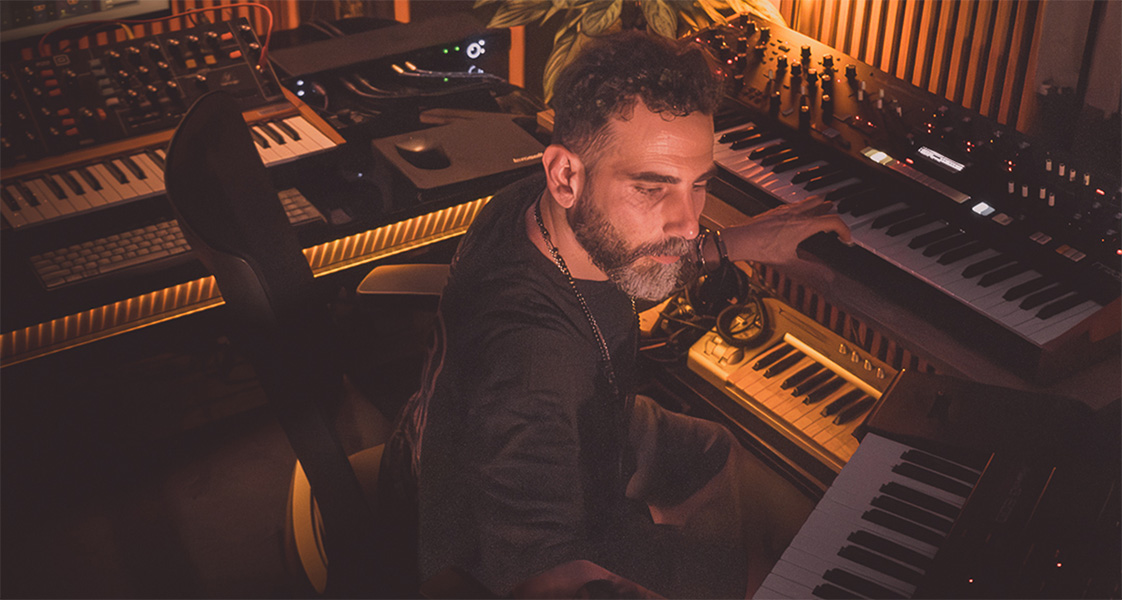
I mostly use hardware instruments and treat the computer like a big tape machine to assemble everything. I like to integrate at least one “weird” element into each production to make it stand out from what’s already out there.
WWD: Your recent work blends synths, live instrumentation, and organic textures. How do you decide what belongs in a track?
It just happens naturally. The song I’m working on tells me what it needs. I try to stay in conversation with it and respond to it, rather than piling ideas on top of each other.
WWD: You’ve talked about the importance of freedom and experimentation. What does a typical creative day look like for you now?
Unfortunately, not every day is a creative day because of administrative obligations. But as much as possible, I go to the studio, play with my instruments, experiment with different techniques, and hopefully record something I may or may not use later. Everything becomes a stepping stone to another idea.
WWD: Lazy Days has been running since 2005. How has your vision for the label evolved, and what role does it play in your artistic life today?
I started the label for my own music and collaborations, and it eventually opened up to an extended family of like-minded musicians. Since I run it alone, I’m now limiting myself to a smaller circle and focusing more on my own projects again. It feels like a full-circle moment — back to where I intended it to be.
WWD: What do you look for in artists or tracks when signing or releasing music on Lazy Days? How do you navigate the dual identity of being both a creator and a curator?
There has to be a personal connection, and the music has to hit me instantly. If I have any doubt, I shouldn’t sign it. It’s like buying music as a DJ — you should feel something when the needle drops. Otherwise, it’s a pass.
WWD: Your relationship with Atjazz – you’ve described Martin Iveson as a mentor. How has that relationship shaped your sound or approach over the years?
I’ve worked with Martin since around 1998. He was featured on my first album on 20:20 Vision, and we’ve collaborated a lot over the years. Since we’re close friends, we have ongoing conversations about life, music, production, philosophy — everything. Naturally, some of that influences how I make music. Especially lately, working on our album 8 Days, which just came out.
WWD: From Quebec City to the UK to Montreal — and eight years in San Francisco — you’ve been part of multiple scenes. How do these different cultures continue to influence your work?
Every place is different and influences me differently. Quebec City is where I started. Montreal is where things began to happen for me. London will forever be an inspiration, and San Francisco was a bit of a dream.
WWD: Love, care, kindness, hope — these are powerful guiding ideas. How do they continue to shape your music today?
They’re like a lighthouse in my life and my music. I want to contribute something positive to the art form and hopefully to people’s lives.
WWD: Your long-term arc – You’ve said you’re no longer thinking about how music will be received. How has that shift changed the way you create?
It’s given me much more creative freedom, and as a result, I think I’ve been making some of my best work.
WWD: We think so too! Thanks for the chat 🙂
Thanks a lot!
‘Elysium’ is available here.