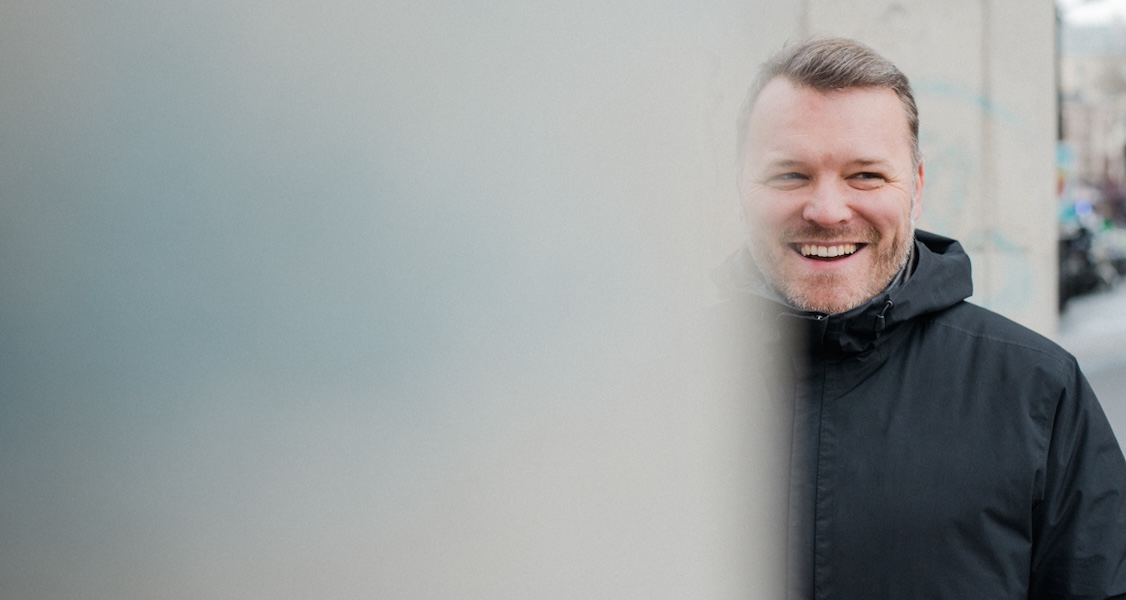
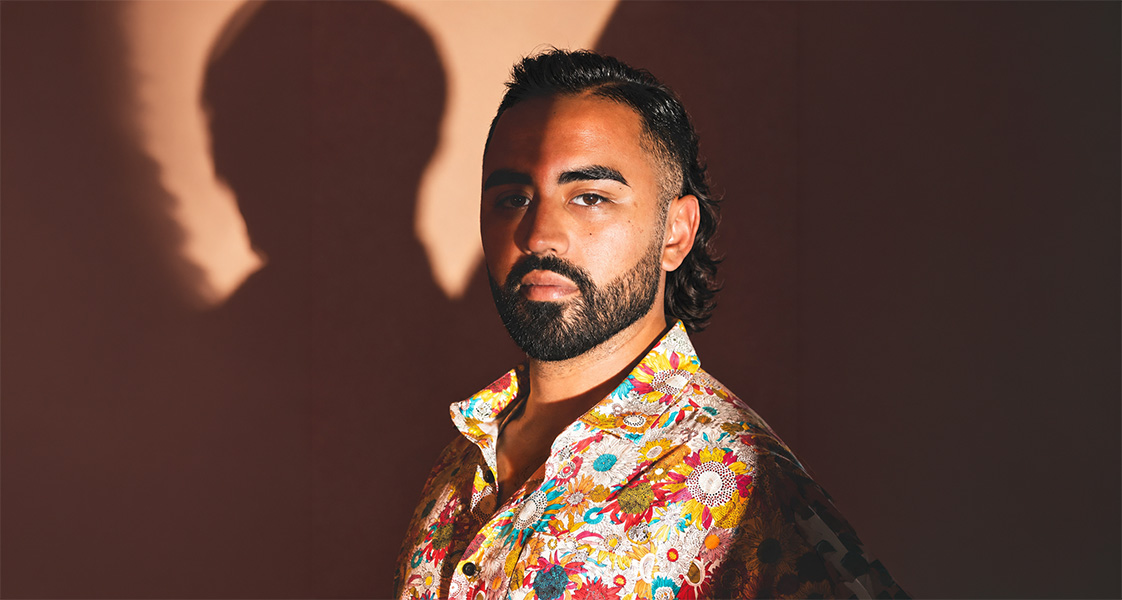
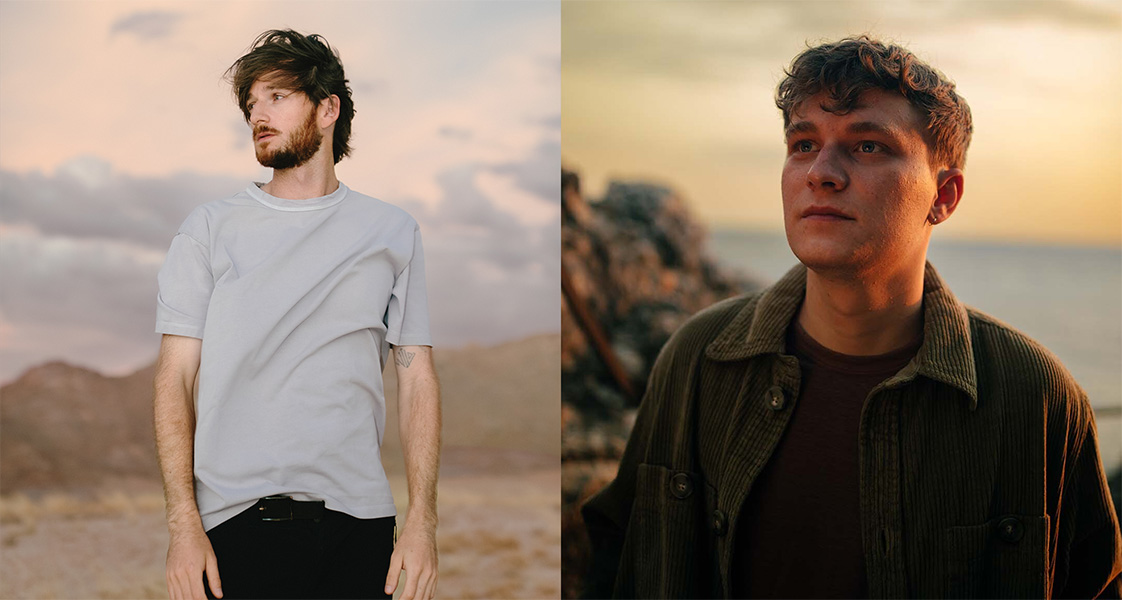
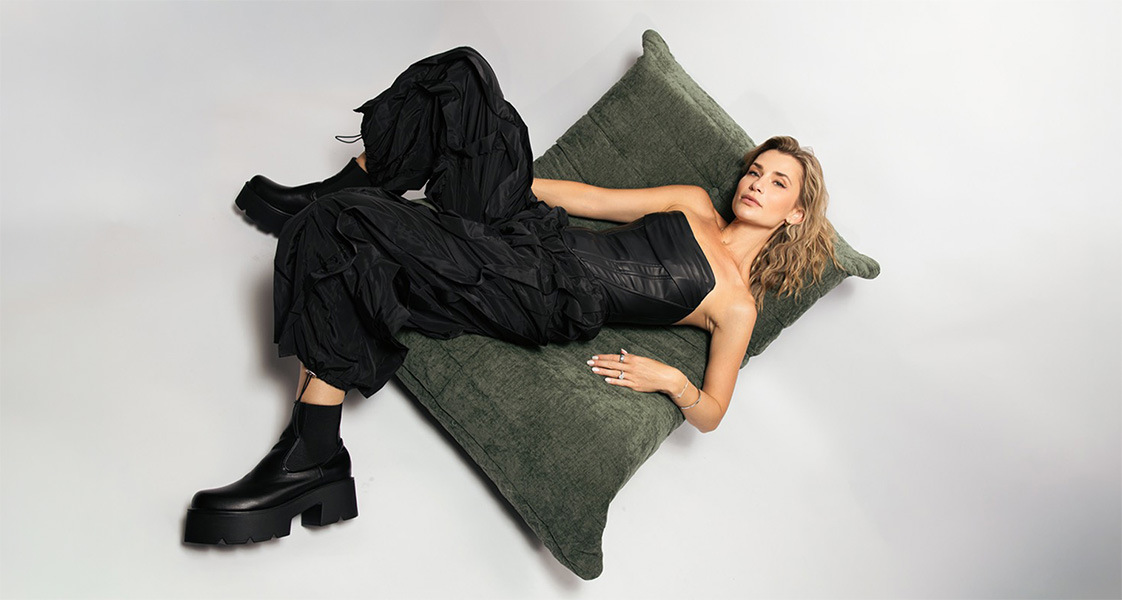
After a period away from the spotlight, S3A returns with the ‘JO 19’ EP, a release that feels like the continuation of a story that never really stopped. While the pace of touring and releasing may have slowed in recent years, the music never did. Behind the scenes, the French producer continued writing, experimenting and refining ideas, quietly building a body of work shaped by the same musical curiosity that has always defined his sound.
Known for blending house, soul, jazz, disco and hip hop influences through a deeply personal approach to sampling, S3A has long treated records not as nostalgic artefacts but as raw creative material. His productions draw from decades of musical history while remaining firmly rooted in the present, transforming familiar fragments into something entirely new.
In this interview, S3A reflects on the realities of balancing music with life beyond the studio, the philosophy behind Sampling As An Art, and why the most powerful samples are often the ones that lead somewhere unexpected. From crate digging and chord progressions to the influences that shaped ‘Curl,’ it’s a fascinating insight into the thinking of an artist whose passion for musical discovery remains as strong as ever.
WWD: The ‘JO 19’ EP feels like both a return and a fresh starting point. Did stepping away from the constant cycle of touring and releases change your relationship with making music?
First of all, I wouldn’t describe it as stepping away from music by choice. Just before Covid, things were really moving for S3A. There were conversations about touring in Australia and China, and then, almost overnight, that whole international momentum disappeared.
Like a lot of artists, I had to reorganise my life. I took a job outside music, and that gradually became a demanding career with national responsibilities. There simply weren’t enough hours in the day to keep touring at the same pace.
But I never stopped making music. That’s the part people sometimes misunderstand when they hear the word “comeback”. Since my last solo EP in 2021, I’ve been writing, trying different things, and building up a collection of unreleased tracks. There were also other musical projects and releases along the way.
JO19 is not the sound of someone suddenly remembering how to produce. It’s the sound of someone finally opening the studio door again and letting people hear what’s been happening inside.
What has changed is the place I want music to have in my life. I know now that creativity isn’t just a nice extra for me. I need it.
The response to the new record has been incredibly encouraging, especially the messages from people saying they’d missed S3A. It made me want to reconnect properly, not only through releases, but through clubs, mixes and the people on the dancefloor.
WWD: The title of the project, Sampling As An Art, has always felt more like a philosophy than an alias. What does that phrase mean to you now compared to when you first adopted it?
When I chose the name Sampling As An Art, I wanted it to describe a method rather than a musical genre.
I usually find it difficult to start with a completely blank page. I need a spark: a chord, a rhythm, a few seconds of piano, a vocal phrase, sometimes even the atmosphere of a recording. Then the interesting part begins. I take that fragment somewhere it was never supposed to go.
The source can be a dusty record, something I found while following a musician’s credits on Discogs, or even a few chords played in an Instagram story. I wouldn’t actually use the audio from a story, because it sounds terrible! But I might quickly save it as a reference, work out the chords, play them again and change the harmony.
The process is surprisingly similar to digging through records. It’s the same curiosity, just a new door to walk through.
I’ve spent years learning that sampling isn’t about proving how obscure your record collection is. It’s about what you make the source say once it becomes part of your own language.
And sometimes the most creative decision is to stop touching it. There’s a point where adding another layer makes the music less clear, not more interesting. I care a lot about giving the listener a strong idea they can actually follow.
WWD: You’ve said that disco, soul, jazz, hip hop and house aren’t nostalgic references for you, but raw material. What separates creative sampling from simple quotation?
For me, the dividing line is between an edit and a new piece of music.
I’ve made plenty of edits for DJ sets. Sometimes you love a record but want a more playable intro, a tighter structure or a drum machine to make it work better in the club. I even made one with a France Gall song around the time she passed away. Those are things I’ve generally made to play or share, rather than to sell as original productions.
With sampling, I want to create another work. A sample is the beginning of a composition, not a shortcut to the finish line.
One thing I especially enjoy is finding a second or third sample that fits with the first, even though they come from completely unrelated records. The original musicians might never have imagined their chords, basslines or voices meeting each other.
Making those fragments coexist is often the hardest and most exciting part. Sometimes the tuning is slightly imperfect, sometimes the harmonies rub against each other. That tension can be exactly what gives a track its warmth.
It’s also why I don’t think simply recognising the source is the point. If all the listener can say is, “Oh, I know that song,” I haven’t necessarily done enough. I want them to hear a new groove, a new emotion, a new story.
Of course, an edit can be beautiful in its own right. It’s just a different creative intention.
WWD: ‘Curl’ has been described as sitting somewhere between Motor City Drum Ensemble and classic 90s house figures like Jovonn and Kerri Chandler. Which records were genuinely on rotation while you were making it?
The funny thing is that I wasn’t sitting in the studio listening to a particular pile of records and thinking, “I’m going to make my version of this.”
Those sounds have been part of me for years. Kerri Chandler and Jovonn are in my musical DNA, particularly when it comes to the movement and bounce of a bassline. I also hear a connection with Motor City Drum Ensemble and the Sound Signature world of Theo Parrish in the chords and melodic choices.
There’s something quite personal about influences you have absorbed for so long. After a while, you don’t consciously quote them. They become a vocabulary.
When I sit down to write, I draw on years of listening, DJing and dancing.
For Curl, I loved the contrast of mysterious, minor key harmonies against a bassline that is almost playful and optimistic. The chords pull you into a darker place while the rhythm keeps smiling at you.
I think that’s why the track feels like S3A to me. I’m not trying to reproduce the sound of a specific record or decade. I’m using familiar musical ingredients to create a contrast and a feeling that belongs to the track itself.
WWD: So true! Thanks for the chat 🙂
The ‘JO 19’ EP is available here